Customers are already 70% through their buying process before initiating the first contact with a brand.
That’s why brands should understand and optimize each stage of the customer experience lifecycle to improve satisfaction, enhance retention, and increase brand advocacy.
In this blog, we will explore the essential stages of the lifecycle and provide actionable insights on creating a customer-centric experience that sets your business apart from the competition.

What is a Customer Lifecycle?
The customer lifecycle refers to the entire relationship a customer has with a business, from the moment they become aware of a brand till they make a purchase. Understanding it is crucial to gaining insight into the customers’ behavior, identifying trends, and spotting opportunities to optimize customer touchpoints.
Mapping the customer lifecycle can also reveal the strengths and weaknesses of product messaging.
What is a Customer Experience Lifecycle?
The customer experience lifecycle is often used interchangeably with ‘customer journey.’ Although both map the stages customers go through when engaging with a brand, the customer experience lifecycle outlines the journey and records customer sentiment at each stage.
Knowing how the customers feel, what drives them forward, stalls them, or turns them away will help a brand understand the intent behind their behavior.
A brand can use these insights to fine-tune its CX and messaging strategy to meet their customers’ expectations.
Customer Experience Lifecycle Stages
There are usually 5 stages in a customer lifecycle:
1. Reach
At this stage, the target audience discovers they have a problem and is now looking for ways to solve it.
Brands can prove themselves as the solution through content marketing, search engine optimization (SEO), advertising, and social media.
2. Acquisition
If the strategies to reach the target audience have been successful, potential customers will contact the brand to learn more about its products or services.
This indicates that the traffic is turning into leads. You’ve captured their attention; now, you want to ensure they stay long enough to move to the next stage.
To move them to the next stage, brands need to ensure their customer service is top-notch. They should also provide as many resources as possible to let the leads know they are making the right choice.
3. Conversion
The goal here is to turn leads into paying customers while ensuring they have a great experience. The business strategy is to ensure a smooth onboarding process, provide proactive and personalized support, maintain clear lines of communication, and inform customers of policies and other important information.
If you think your funnels could generate more leads and sales than they do at the moment, you can review them with ConversionRX – a comprehensive marketing diagnostic program that uncovers the full potential of your marketing strategy.
4. Retention
During the retention stage, the goal is to keep existing customers satisfied with their experience so that they continue using a product or service. The key is nurturing customer relationships, meeting their expectations, understanding their preferences, and continuously refining the CX to match their needs.
Specific tools that can help a brand at this stage include:
- Customer Surveys: Provide actionable insights that help businesses improve products, boost retention, and increase revenue.
- Feedback Forms: Help brands identify the strengths and weaknesses of their offerings and the user experience.
- Customer Data Analytics: Provide real-time data and insights into customer sentiment to help a brand spot issues before they negatively impact the business.
5. Loyalty
Happy customers are the best and most natural brand advocates. However, the reverse is also true: unhappy customers can damage a brand’s reputation and cause other clients to shy away from it.
A brand needs strategies to incentivize happy customers to spread positive word of mouth. These strategies can include referral programs and brand advocacy programs.

Steps to Conduct a Customer Lifecycle Analysis
Examining the customer lifecycle helps brands gather insights into customer behavior, marketing strategies, and their offerings.
Here’s how to do it:
- Evaluate Customer Targeting: A brand should understand how to reach potential customers. They should examine the sources of their leads, whether it’s through social media or paid ads. They should also use social listening tools to find brand mentions and the context in which they occur.
- Assess Strategies for Generating Leads: Create effective lead-generation strategies based on the customer persona and journey. For example, a brand can examine self-service CX tools for a younger demographic in the initial stage.
- Assess Conversions: Assess whether sales and marketing funnels are effective. Use customer data to identify CX lifecycle bottlenecks and understand at what point leads become disinterested in the customer journey.
- Review the Sales Process: The brand should examine the sales process to understand how easy it is for a customer to finalize a transaction. They should assess whether the sales process is long, repetitive, or complicated.
- Check the Messaging: A business should review its product messaging to ensure customers can understand the value of its offerings. They should check whether the content addresses their customer pain points.
Not sure how to create strategic and consistent messaging?
As a brand messaging expert, I can help you elevate your messaging at each phase of the customer experience lifecycle. We can work together to clarify your brand voice across every touchpoint, remove friction from key conversion areas, and build messaging that nurtures trust and loyalty over time.
Book a call with me today, and let’s build messaging that speaks to your customers at every stage of the customer journey.
- Build Customer Relationships: The difference between one-time and repeat customers lies in the quality of the relationship. Leverage feedback-gathering tools to analyze customer sentiment in real-time and adjust the strategy accordingly.
- Inspire Loyalty: Inspire happy customers to become ambassadors by offering a rewards program for referring others. A brand can offer attractive perks, such as freebies on birthdays or special occasions like holidays.

Best Way to Create a Customer Experience Lifecycle Map
Building a customer lifecycle map can help a brand understand customer sentiment at various stages of the customer relationship.
Follow these 5 steps to do so:
1. Gather CX Data
Use surveys, feedback tools, data analytics, and community forums to understand customer behavior patterns.
Additionally, understand where customers choose to interact and the content messaging that attracts them.
2. Set the Objectives
Based on the data, the brand should define its aims by mapping the CX lifecycle.
Create SMART goals (specific, measurable, achievable, and realistic).
3. Build Customer Personas
Use market research and analysis of the existing customer base to develop customer personas. These fictional characters represent customer segments and help guide strategy.
They also ensure a brand is using the right methods to target a specific group of people during the ‘Reach’ stage of the customer lifecycle.
4. Outline the Customer Journey
A brand should define the stages of the customer journey from the moment customers first encounter their business and continue through the moment they become advocates.
However, customer experience journeys differ across customer segments.
5. Draw a Visual Map
Once the customer journey is complete, a brand can now create a visual representation of the customer lifecycle.
When doing so, they should highlight stages of the customer journey, note opportunities for optimization, record customer sentiment and motivations, and identify key touchpoints.
Customer Experience Lifecycle Examples
Each customer lifecycle stage presents an opportunity to deliver value and build lasting relationships.
Here are some of the brands and the strategies they use:
1. HubSpot

HubSpot, the CRM and marketing automation platform, uses educational content to attract users looking for marketing automation solutions.
Here’s an example:
- Reach: A marketing manager searches ‘how to automate email marketing’ and finds a detailed blog guide from HubSpot.
- Acquisition: They sign up for HubSpot’s free CRM or a 14-day trial of Marketing Hub.
- Conversion: After launching a campaign and seeing lead tracking and automation in action, they upgrade to a paid tier.
- Retention: HubSpot sends performance dashboards showing open rates, conversions, and revenue attribution. They use these data to turn customers into repeat buyers.
- Loyalty: The brand uses targeted follow-ups and loyalty rewards to turn loyal customers into internal champions for the platform.
2. Notion
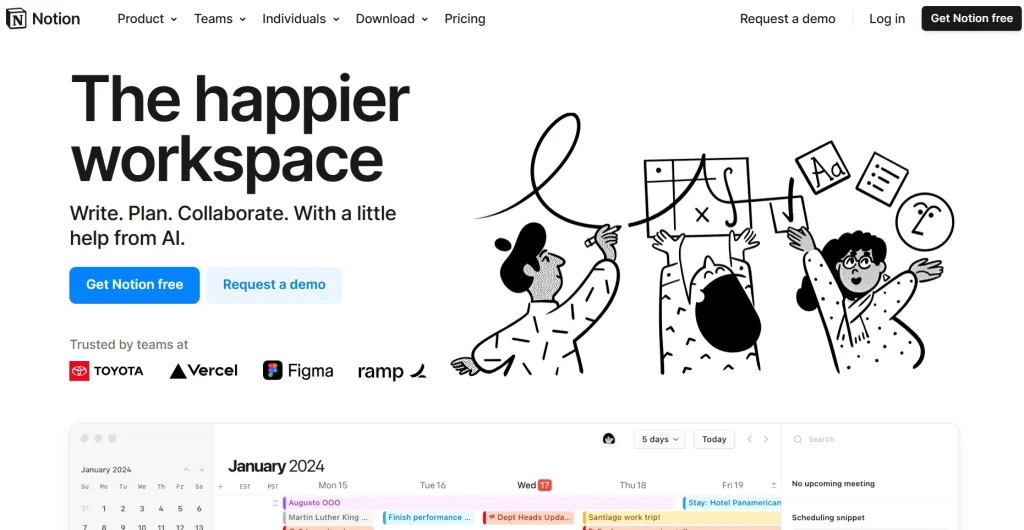
Notion, the productivity and knowledge management platform, shows how low-friction entry and collaboration can turn a simple tool into an indispensable part of the daily routine.
Here are the steps they take:
- Reach: A founder searches ‘how to organize startup documentation’ and finds a Notion template.
- Acquisition: They start with a free workspace.
- Conversion: Once the team collaborates effectively inside Notion, they upgrade to advanced permissions and team collaboration features.
- Retention: Usage insights and integrations with platforms such as Slack and Google Drive make it central to daily workflows.
- Loyalty: They foster niche communities that support users, empowering them to become the brand’s advocates.
3. Grammarly
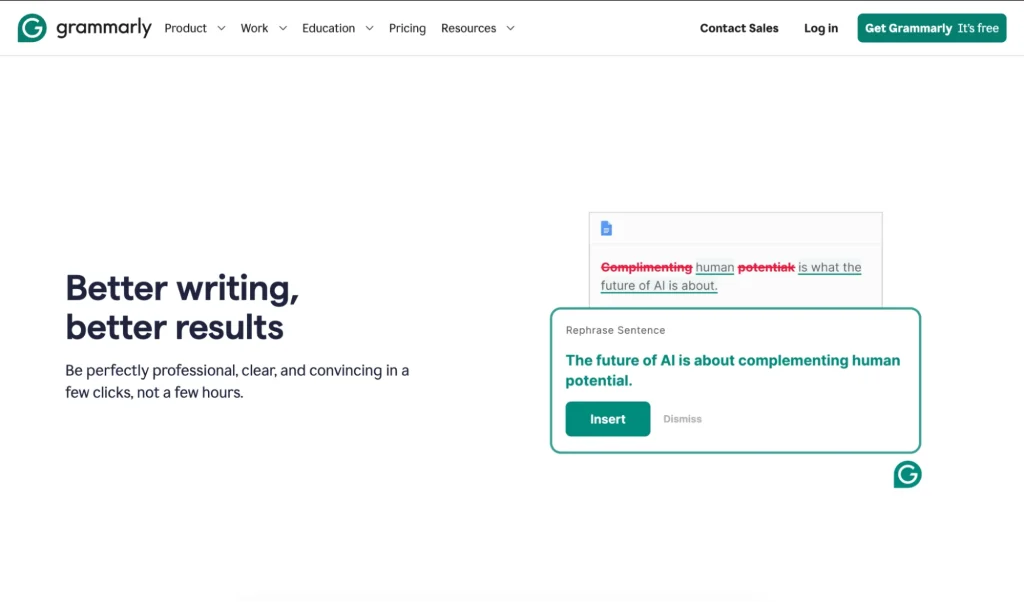
Grammarly, the writing and vocabulary platform, uses personalized progress tracking to demonstrate ongoing value, making it an essential tool for writers.
Here’s how they execute their strategy:
- Reach: A student sees a Grammarly ad on YouTube that shows how the service helps students write essays with confidence.
- Acquisition: They install the free Grammarly extension in their Microsoft Word.
- Conversion: After seeing the advanced suggestions blurred out in the free plan, the student upgrades to the pro version.
- Retention: Grammarly sends the student weekly emails that summarize their vocabulary growth and top mistakes, making their value tangible.
- Loyalty: The student downloads the software across all devices and recommends it to classmates.
4. Spotify

Spotify, the music and audio streaming service, demonstrates how viral social trends can turn the last customer lifecycle stage into a marketing event.
Here’s an example of their CX lifecycle journey:
- Reach: A music lover clicks a link to a shared song on WhatsApp, which takes them to the Spotify web.
- Acquisition: They sign up for a free, basic account to start listening immediately.
- Conversion: After using the app, the listener wants to access features such as uninterrupted song playback, leading them to upgrade to Spotify Premium.
- Retention: Spotify uses AI to create ‘Daily Mix’ playlists based on users’ preferences, making it harder for them to switch to a competitor.
- Loyalty: Every December, Spotify sends ‘Spotify Wrapped,’ which users share on social media, acting as free brand advocates.
5. Canva
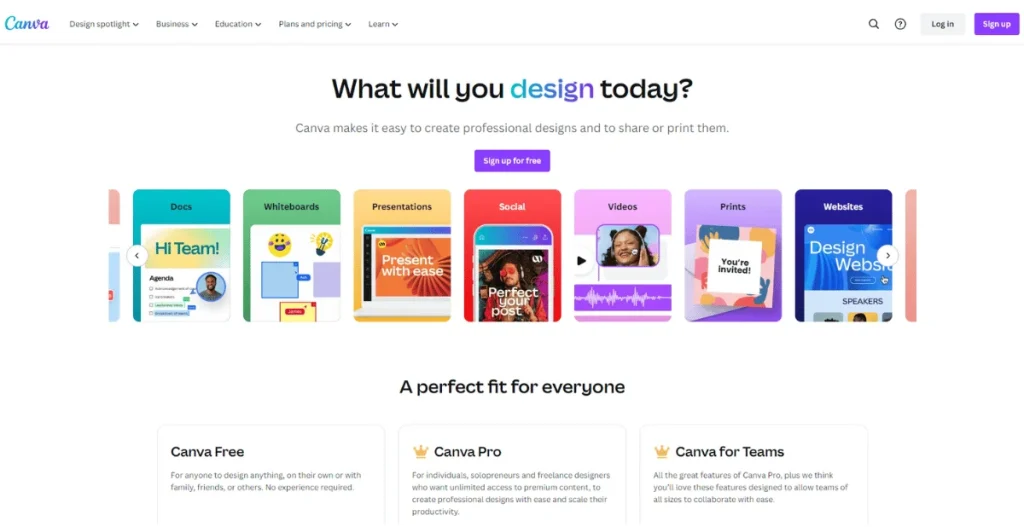
Canva, the graphic design and content creation platform, has designed a CX lifecycle journey that turns a simple design task into a centralized brand hub, making it convenient to stay.
Here’s how they do it:
- Reach: A small business owner sees a Canva ad on Instagram that shows how to create a professional logo.
- Acquisition: They create a free account and create a logo using a simple drag-and-drop interface.
- Conversion: To access “Pro” features like the background remover or premium stock photos, the business owner subscribes to Canva Pro.
- Retention: Canva introduces ‘Team Folders’ that allow the team to collaborate and store the company’s brand assets, including logos, fonts, and colors.
- Loyalty: The business owner joins the Canva community on Facebook and shares their Canva designs.
How to Manage the CX Lifecycle for the Best User Experience
Once a brand builds a CX lifecycle, it should constantly review and fine-tune it for an evolving audience.
These tips should help:
Target the Audience with Useful Content
Make it easy for the target customers to find the brand by creating relevant, useful content, including blog articles, tutorials, and online tutorials.
Create customer personas to provide customized content that speaks to their motivations, challenges, and needs.
Provide Excellent Customer Service
At the acquisition stage, when prospects contact a brand for more information, make it easy for them to find or do what they need.
A brand can provide full customer support through a live service agent or a self-service option that lets customers accomplish common tasks, such as learning more about its pricing models.
Implement an Easy Sales System
According to research by Baymard Institute, about 70% of consumers abandon their carts. These are consumers who show strong interest in buying but abandon their purchases, often because of a complicated sales process.
A brand should therefore have a straightforward sales system to provide an easy purchase process.
Personalize Customers Post-Sales
Implement a customer experience strategy to personalize the customers’ experience after the purchase. Use customer data to understand what support they need or what perks they are most likely to appreciate.
For instance, if you have multiple SaaS products, provide resources based on the purchased product and ensure a smooth onboarding process.
Mistakes to Avoid When Creating a Customer Experience Lifecycle Model
Failure to map and maintain a customer lifecycle journey can turn a business from an asset into a liability.
Here are the 6 common mistakes to avoid when creating a CX lifecycle model:
| Mistake | Explanation | Common Fixes |
|---|---|---|
| Not Connecting the Multiple Touchpoints | Inconsistent messaging across touchpoints is a common mistake that often leads to loss of trust. | Partner with a brand marketing consultant to develop a cohesive brand strategy that ensures messaging is consistent and supports a seamless customer experience. |
| Not Leveraging Data | Most companies collect data on customer behaviour but never act on it. They miss out on valuable insights, customer preferences, behaviour, and trends. | Businesses should analyze customer data to identify current trends and optimize customer touch points across the CX lifecycle model. |
| Not Engaging Silent Customers | Brands can miss out on opportunities to address value gaps when they ignore complaints from unsatisfied customers. | Brands should have proactive outreach programs in place before users disengage, which can provide valuable insights into areas for improvement. |
| Lack of Messaging Personalization | Failure to customize messaging to match specific customers' profiles is another common mistake. | Companies should implement personalization strategies that tailor their messaging to make clients feel valued. |
| Taking Too Long to Respond | Taking ages to respond to customer queries and complaints can cause businesses to lose clients to competitors with faster response times. | Brands should invest in AI solutions that respond to customer inquiries quickly to ensure a smooth, timely onboarding process. |
| Inadequate Employee Training | Poorly trained employees fail to deliver quality service, which can hurt the customer experience. | Brands must ensure their employees are well-trained to handle customers at all stages of the customer lifecycle. |
Frequently Asked Questions (FAQs)
Learn more about this topic with these FAQs:
What is Customer Lifecycle Marketing?
Customer lifecycle marketing means delivering
tailored for various lifecycle stages.
For instance, during the Reach stage, marketing messages should aim to provide helpful, relevant content that solves the customer’s pain points and introduces your brand as the solution.
At the acquisition stage, those messages must be targeted toward reinforcing your positioning or explaining why your brand is better than the competition.
What is Customer Lifecycle Management?
Customer lifecycle management is the process of tracing the stages of the customer lifecycle, assigning metrics and tracking their performance, and refining touchpoints to meet customer expectations.
What is the First Step of the Perfect Customer Lifecycle?
The first stage in the customer lifecycle is ‘Reach,’ where a brand strategically positions itself in front of the target audience through tactics such as paid advertising, content marketing, and SEO.
What Role Does Customer Feedback Play in the Customer Experience Lifecycle?
Customer feedback is essential for refining the CX lifecycle because it provides direct insights into what customers need and want.
It is also key to ensuring a brand meets the customers’ expectations.
What Tools Are Available for Managing the Customer Experience Lifecycle?
There are several tools to manage the CX lifecycle, such as:
- Customer Relationship Management (CRM) Software: Tools like HubSpot are essentially data hubs that enable a brand to track and monitor customer information more efficiently.
- Social Listening Tools: Automated social listening tools like Hootsuite enable a brand to track and analyze customer sentiment across all the channels where it exists.
- Feedback Gathering Tools: Survey platforms like Zonka Feedback help brands build surveys and feedback forms to measure customer satisfaction.
How Often Should You Revisit Your Customer Experience Lifecycle?
Companies should review their customer experience lifecycle at least once every month to ensure it aligns with customer expectations, market trends, and business goals.
However, for immediate indicators such as drop-off points and conversion rates, weekly reviews are recommended.
Conclusion
A brand can enhance customer loyalty by managing the customer experience lifecycle. Overall, they should analyze each stage of the customer lifecycle and ensure the messaging nudges customers from reach to loyalty.
Ready to transform your messaging in each stage of the customer experience lifecycle?
We can partner to create messaging that engages, converts, and retains your existing customers. We can also identify friction points and opportunities in your existing messaging to delight customers.
Join me for a discovery call today, and let’s create tailored messaging that turns each touchpoint into a meaningful experience that delivers results.