

Customers expect seamless, personalized interactions from their first contact through post-sale support. That’s why brands such as Netflix and Slack thrive by optimizing every digital touchpoint their customers have with them.
However, delivering digital customer experiences that increase sales and reduce churn requires strategic planning to ensure they adapt to customers’ expectations.
Below, we’ll explore the steps to create a digital customer experience strategy, how to improve it, and how to measure it.
TL;DR – How to Improve Customer Experience
Here’s a quick summary of the five ways to enhance client experience. We’ll uncover the details of each step later in the blog.
- Understand the customers.
- Create an omnichannel customer experience.
- Empower the employees.
- Personalize each customer experience.
- Analyze and optimize the strategies.

What is Customer Experience (CX)?
Customer experience (CX) refers to a brand’s overall impression in customers’ minds. It encompasses every interaction and touchpoint a client has with a brand.
An Example:
As ClickUp’s customer base grew, it faced challenges in handling customer inquiries and resolving issues. The support team couldn’t handle emails efficiently and had to redirect customers to the right agent in their live chats.
They improved their CX by adopting generative AI to automate resolution, anticipate issues, and streamline customer support.
Customer Experience vs. Customer Service
Isn’t customer experience similar to customer service?
Though they are close and critical, they differ in their function.
- Customer Experience (CX) is the holistic experience your customers have with your brand in every stage of the buying process and beyond the post-purchase phase. It includes every department, such as marketing, customer service, and product design.
For example, CX entails every action, like providing self-help guides on your website, sending personalized emails, optimizing your site for mobile, sending relevant product recommendations, and resolving your customer complains quickly.
- Customer Service refers to your brand directly responding to or assisting customers before or after they purchase your product (or service). It primarily occurs in the help center to solve clients’ problems.
For example, when a representative helps customers place orders or addresses complaints about defective products.
What is Digital Customer Experience?
While customer experience covers all interactions a client has with a business, digital customer experience exclusively focuses on CX on digital platforms. It includes a brand’s website, AI chatbots, mobile app, email newsletters, social media, and live customer care chats.
Businesses must ensure their online CX is seamless and stands apart from the competitors.
Here are the key indicators that a digital CX is doing well:
- Clients get a unified experience across all touch points without losing context.
- Live chat and AI-powered chatbots provide quick, accurate responses.
- Customers can perform routine tasks such as updating details and changing passwords without assistance.
- There is a streamlined checkout process, free of hidden costs and technical glitches, that reduces cart abandonment.
- Clear navigation, optimized search functionality, and well-structured content help potential clients find what they need without frustrations.
How Digital Transformation is Driving Customer Experience
Digital transformation is helping many businesses improve their CX and outcomes.
Here’s how:
- Integration of Customer Data and Insights: With digital transformation, companies can easily collect qualitative data across touchpoints, enabling them to understand user needs better.
- Product Personalization: Digital transformation enables businesses to offer tailor-made products, fostering a sense of connection among buyers.
- Proactive Customer Support: With the rise of digital transformation, companies can use AI and predictive analytics to anticipate customer issues and address them before they occur.
- Hyper Targeted Marketing: By leveraging strategic messaging and tailored marketing tactics, brands can create experiences that resonate.
- Operational Efficiency: Digital customer experience streamlines the internal business processes to reduce the customers’ wait time and increase accuracy in service delivery.

Why Should You Improve Customer Experiences?
An extraordinary customer experience significantly impacts business growth and success.
These are the five benefits of elevating the customer experience:
- Builds a Great Reputation: When clients have a positive customer experience, they are likely to recommend the brand, fostering trust and attracting new customers.
- Boosts Revenue: Customers will spend more depending on how they feel about a brand. With a superior customer experience, a brand can increase revenue and boost its bottom line.
- Improves Customer Retention: A stellar customer experience is an excellent retention strategy. The clients are likely to become repeat buyers.
- Allows Differentiation from Competitors: Creating a unique and impactful customer experience helps a brand stand out from competitors and attract potential clients.
- Builds Customer Loyalty: When a brand delivers an exceptional customer experience, it can create a strong bond with clients, turning them into loyal fans and brand advocates.
Factors that Negatively Impact Customer Experience
Poor customer experiences can drive away new and existing clients.
Below are the top causes of negative customer experiences:
- Unhelpful Staff: Customers may be dissatisfied if staff can’t handle their complaints or if service lapses occur. They could lose trust in and reduce their loyalty to a brand.
- Lack of Customer Communication Channels: If a brand offers only one support channel, it limits the customers’ choices. They might become frustrated and take their business elsewhere.
- Low-Quality Customer Service: Even if a brand offers low prices, customers still expect a seamless ordering process, quick product delivery, and prompt responses to their questions or concerns. Anything less may count as a negative experience and lead to customer attrition.
- Long Waiting Time: If customers experience long wait times or long phone hold times, they can quickly become frustrated. This will affect their overall customer experience.
- Unclear Messaging: If sales channels use inconsistent messaging, customers will struggle to understand an offer. It can also negatively impact the brand perception, making it hard for the business to attract and retain buyers.
Struggling with your messaging?
As a brand messaging expert, I can help you create a messaging strategy that significantly improves your customer experience. We can create messaging that clearly articulates your brand value proposition and aligns with your customers’ pain points.
Let’s get on a discovery call today and craft messaging that makes every interaction relevant and meaningful.

Core Elements of a Strong Digital Customer Experience Strategy
A digital customer experience strategy should incorporate how the core elements work together to create a brand ecosystem that meets the customer’s needs and retains them.
The essential components are:
- AI and Automation: Artificial Intelligence can significantly enhance a digital customer experience strategy. With self-service bots and predictive assistance, these machines reduce wait times, resulting in smoother CX journeys.
- Tailored Experiences: A good digital customer experience strategy majors on tailoring experiences to individual customers. Machine learning tools help businesses analyze user behavior and customer data, enabling them to predict future behavior.
- Consistency: A consistent brand tone and messaging are key to a successful digital customer experience strategy because they help build trust with target clients.
- Dynamic Interactions: A strong digital customer experience strategy should leverage interactive experiences, such as quizzes, ebooks, and infographics. By involving customers in these experiences, brands can enhance engagement while gathering valuable insights.
- Customer Journey Mapping: An effective strategy should incorporate a customer experience map to identify pain points in the customer journey and act promptly on customer feedback.
How to Build a Digital Customer Experience Strategy
A DCX strategy serves as a roadmap that aligns the digital tactics with the broader business goals to meet the evolving customer expectations.
Here are the key steps to follow:
1. Define Clear CX Objectives
Define what success looks like. Brands need to establish key performance indicators (KPIs) and create a timeline for every goal.
2. Understand the Customer Journey
Before coming up with a strategy, businesses must map their digital customer journey, from the first interaction to post-purchase.
A brand should identify key digital touchpoints, analyze user behaviour, and leverage AI to enhance the customer journey.
3. Audit Existing Digital Experience
Conduct an audit of the existing digital customer experience to identify friction points. Gather customer feedback through surveys and benchmark against competitors to spot areas for improvement.
Additionally, check if the websites and pages have any broken links, have outdated interfaces, or slow loading times.
4. Train and Empower Employees
Train employees to manage prospects across touchpoints to ensure clients have the best digital CX. Remember to provide ongoing training on new customer relationship management (CRM) tools.
Also, empower digital agents to make decisions, such as issuing credit, without multi-level approvals.
5. Future-Proof the Digital CX Strategy
Brands must remain agile in the fast-evolving digital world by adopting omnichannel integration that creates a seamless CX. Use data-driven personalization to boost conversions.
A brand should measure and optimize using tools to look for friction, behaviour trends, and preferences that will help elevate the DCX.
Digital Customer Experience Examples
Well-known companies have used digital customer experience to stay on top of the competition for years.
Here are examples of how they do it:
1. Netflix

At its core, Netflix uses personalized video recommendations to deliver a personalized viewing experience, earning it over 325 million subscribers.
By analyzing viewers’ habits and locations, Netflix gives its users a list of recommendations so spot-on that it feels like they’re reading minds.
2. Canva
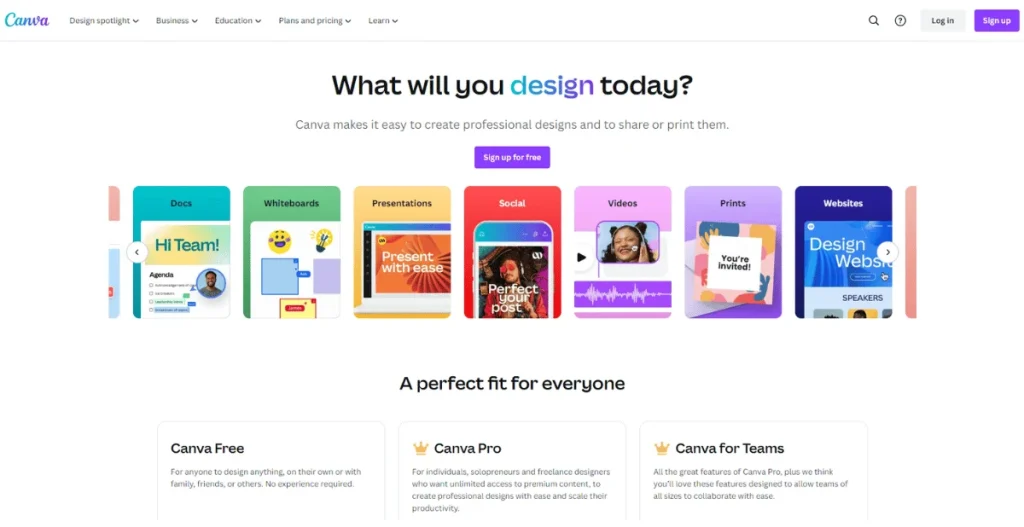
Canva uses intent-based profiling, eliminating the stress of sifting through thousands of templates and improving the CX.
For instance, if a user selects teacher as their profession when signing up, their entire dashboard will prioritize classroom templates, improving the DCX. The result? A $40 Billion design empire.
3. Slack

Slack uses AI to help its clients be more productive by providing quick answers when they need them or summarizing conversations with daily recaps.
On top of that, Slack AI uses natural language processing to help users find past documents using vague descriptions. This approach earned them over 79 million active monthly users.
4. Calendly
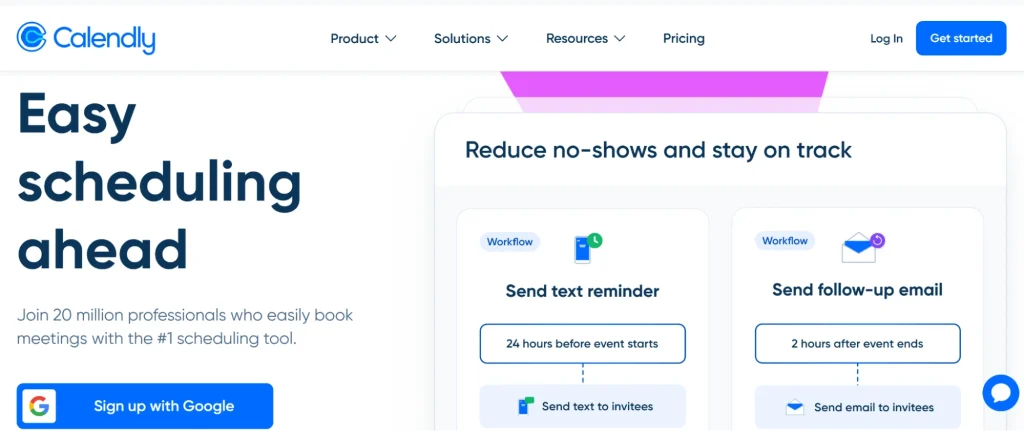
Calendly, a scheduling and meeting platform, has built a reputation for reliable support by staying connected with its clients.
When contacted directly, the team responds quickly with accurate answers. It also offers online self-service resources, which have helped increase its user base to over 20 million.
5 Ways to Improve Customer Experience
If the customer experience does not evolve the brand, it can negatively impact the revenue and overall business experience.
Here are 5 steps on how to improve the client experience:
1. Understand the Customers
The first step in creating a customer experience is understanding the target audience and their behaviors. Clearly define the customers’ ages, incomes, and lifestyles.
Once the ideal customer is clear, write a positioning statement that explains the offer. Also, create a brand story and outline the values.
2. Create an Omni-channel Customer Experience
Customers spend more with companies that offer their preferred channel for customer service.
An omnichannel customer experience strategy integrates multiple support channels. Customers can email a brand, call, send a DM on social media, or fill out an online form.
3. Empower the Employees
The team is critical to enhancing the customer experience, as they interact with clients daily.
Employees who feel valued and motivated can turn a complainer into a brand’s advocate. So, improve the team performance through coaching and training.
A motivated team can deliver excellent customer service, take the initiative to delight customers, and gather continuous customer feedback to identify and address areas of concern.
4. Personalize Each Customer Experience
Customers want to feel like a part of your brand. Research from Forbes shows that 46% of customers will purchase more when given a personalized experience.
The offers and discounts should be tailored to clients’ shopping histories and needs. Also, algorithms can suggest product recommendations and incorporate text messages to add a personal touch.
5. Analyze and Optimize the Strategies
Use customer feedback in all customer experience strategies. Have a robust system to capture feedback across channels, including live chat tools, customer satisfaction surveys, questionnaires, outbound calls, and social media monitoring.
Leverage these insights to refine the internal processes, improve offerings, and strengthen customer connections.

How to Improve Digital Customer Experience
After a brand improves its overall customer experience, it needs to implement strategies to enhance the customer experience digitally.
These are the strategies to implement:
1. Optimize for Mobile
As it stands, 9 in 10 Americans (91%) say they purchase products online on their smartphones. Optimizing the website, app, and content for mobile devices is essential to meeting customers’ expectations.
Another significant customer experience improvement is speeding up mobile page load times to reduce bounce rates. Also, keep the number of page elements and images to a minimum to allow easy navigation.
2. Provide Self-service Options
Brands should provide customers with quick solutions to their daily problems. Most clients now prefer a self-service portal, such as FAQ pages or a community forum, to provide instant, on-the-spot answers to their questions.
Virtual assistants and AI chatbots can also help handle basic inquiries, such as password resets and order status checks.
3. Create a Consistent Digital Experience
A brand should aim to create a unified customer experience across all channels by using easily recognizable brand visual elements and designs on the website, app, and social media.
Remember to synchronize ads and use similar messaging so customers can receive consistent messaging on multiple channels. Maintain centralized systems, such as inventory, and save search history to make it easy for clients to switch devices.
4. Personalize their Digital Customer Experience
Customers want brands that make them feel special. Use geolocation to personalize the customers’ experience on the site. Incorporate targeted ads based on their past purchases.
Also, follow up on survey responses, incorporate personalized virtual reminders, and adapt the content to their preferences.
Digital Customer Experience Trends
When it comes to digital customer experience trends, it pays to be ahead of the competition.
Key trends shaping the digital CX space:
- Human-Centric Design: Brands use tech to prioritise human needs, ensuring experiences are intuitive and engaging.
- Advancements in AI: Technological advancements in AI and machine learning have enabled businesses to automate repetitive tasks and to send bulk emails that still feel tailored to each recipient.
- Chatbots: These are virtual assistant bots that enable businesses to provide 24/7 customer support in the exact moment they need it, helping nurture clients down the sales funnel.
- Blockchain Security: The use of decentralised, tamper-proof databases gives customers control over their digital footprint, fostering trust and loyalty.
- Mobile Optimization: With the growing number of smartphones worldwide, more businesses are optimizing their websites and services for mobile devices.
How Do You Measure Digital Customer Experience?
A robust scorecard tracks how users feel and what they actually do, allowing teams to prioritize improvements.
Here’s a breakdown of the measurements of a digital customer experience:
1. Measure Core Sentiment Metrics
Track indicators of user sentiment via digital survey pop-ups.
Key metrics include:
- Net Promoter Score (NPS): Measures brand loyalty by how likely a user is to recommend a brand to others.
- Customer Satisfaction Score (CSAT): Tracked immediately after an interaction, for example, how would you rate the experience with our app today?
- Customer Effort Score (CES): Measures how easy or hard it was for the client to complete their task.
2. Look at Behavioral and Interaction Data
While sentiments shed light on what they say, behavioral data show what they do.
Digital footprints to track include:
- Churn and Retention Rates: The number of users who stop using a service on an app or a website over a specific period. Retention rates show the percentage of users who continue using the service.
- Conversion Rate (CR): The percentage of users who complete a desired action, such as signing up.
- Task Completion Rate: The success rate of users trying to complete a specific task.
3. Assess Technical Performance Indicators
The best digital customer experience cannot happen if the servers are slow or broken. Perform technical analysis by keeping an eye on:
- Error Rates: Monitor the frequency of 404 pages or app crashes.
- Uptime and Availability: Digital stores should be open 24/7 with minimal unplanned maintenance.
- Page Load Time: Check how quickly content loads and optimize.
Digital Customer Experience Analytics
A well-structured digital customer experience should leverage AI and analytics to optimize engagement and elevate a brand above the competition.
CX analytics can be conducted quickly and accurately by combining human insight with analytics tools such as:
- Google Analytics, a web-based service that tracks and reports on website traffic, user behavior, traffic sources, and conversion metrics.
- UXCam, a mobile app and web analytics platform that helps businesses track user behavior within their apps.
- Contentsquare, an AI-powered platform that analyzes clicks, scrolls, and navigation to provide behavioral analytics.

Frequently Asked Questions (FAQs)
Explore the commonly asked questions about creating experiences for customers:
What is the Role of AI in Digital Customer Experience Strategy?
Besides automating repetitive tasks, AI can also:
- Have real-time conversations with clients through messaging platforms.
- Give content and service recommendations to customers based on behaviour.
- Create detailed customer profiles by analyzing data from multiple sources.
What Features Should a Digital Customer Experience Platform Include?
A future-proof digital customer experience should include:
- AI-Driven Personalization: CX should leverage AI to deliver personalized results.
- Centralized Customer Data: A good customer experience should integrate data from various touchpoints.
- Omnichannel Experience: Great CX should include consistent functionality across web, mobile, and social channels.
What are the 5 C’s of Customer Experience?
Here are the 5 C’s of customer experience:
- Compensation: It occurs when a customer is unsatisfied with a product or service. It includes discounts, refunds, and other gestures to regain trust.
- Culture: If a brand has a customer-centric culture, the employees will prioritize the customers’ needs and deliver personalized, attentive customer service.
- Communication: A brand should be timely and transparent, gather feedback, address customer questions, keep them informed, and build trust.
- Compassion: A brand should display empathy to connect with its customers and provide personalized interactions.
- Care: The brand should be committed to the customer’s happiness and satisfaction, aiming to build lasting relationships.
Partner with me to create emotional messaging in your campaigns by incorporating these 5 C’s and enhancing your overall customer experience.
How Can Sentiment Analysis Be Used to Improve Customer Experience?
Through sentiment analysis, a brand can:
- Deliver tailored experiences that meet customers’ emotional needs.
- Capture instant feedback and address it to prevent issues from escalating.
- Identify the emotional triggers and use them to create targeted campaigns.
- Identify gaps in the product or services that need improvement.
What is the Use of Analytics to Improve Customer Experience?
Using data analytics, a brand can better understand its customers, create a personalized customer experience, target the right customers, and make data-driven decisions.
Conclusion
Brands should strive to deliver customer experiences that are intuitive and inspired by their customers’ needs. A digital customer experience strategy helps to execute CX initiatives that drive measurable growth.
An essential part of delivering high-quality customer experiences is an attractive and relatable messaging strategy.
Together, we can uncover opportunities to enhance the digital customer experience, design a messaging strategy that connects with your customers, and refine your messaging.