Most small businesses often struggle to create and optimize their lead-generation tactics. They face challenges such as attracting qualified leads, managing and nurturing prospects, measuring success, and implementing sales insights to develop a lead pipeline.
So, how can marketers solve these issues?
We have compiled 13 strategies for small business customer acquisition and lead generation and highlighted five tools that streamline these efforts.
TL;DR – 13 Strategies for Small Business Lead Generation
Here’s an overview of small businesses’ 13 best new client acquisition strategies:
- Leverage podcasts
- Embrace social media
- Share expertise using video
- Collaborate with influencers
- Host interactive, live webinars
- Optimize content with SEO tactics
- Build email marketing campaigns
- Acquire clients with free lead magnets
- Attend conferences, exhibitions, and tradeshows
- Send LinkedIn direct messages
- Use the cold-calling technique
- Create referral systems
- Send out cold emails
Get more details about each tactic later in the blog.
Note: While all these strategies are great, generating high-quality leads can still be a challenge for small businesses.
Partner with me to identify the right prospects, personalize your lead generation campaigns, and deliver the right messaging your audience cares about. We’ll also analyze the campaigns across all channels to refine the strategies further.
Join me on a 20-minute discovery call to see how we can work together to drive consistent and reliable revenue!

What is a Customer Acquisition Strategy?
A customer acquisition strategy is a detailed plan for acquiring new customers. It entails building awareness and converting new prospects or leads into paying customers.
Here are six steps to building an effective acquisition strategy:
- Create a buyer persona.
- Define the goals and specific objectives.
- Pick the channels and invest in the right tools.
- Segment leads to each marketing funnel stage.
- Develop tailored, omnichannel campaigns.
- Measure the success of the campaigns by tracking metrics like customer acquisition costs (CAC) and return on investment (ROI).
What is an Acquisition Marketing Strategy?
Acquisition marketing strategies are the tactics marketers use to attract potential customers and convince them to purchase.
The strategies can be paid, free, inbound, and outbound. Let’s list some of them below:
- Referrals
- Email marketing
- Traditional advertising
- Paid social media advertising
- Organic social media marketing
- Search Engine Optimization (SEO)

Why Customer Acquisition Looks Different for Small Businesses
When it comes to customer acquisition, small businesses employ a distinct approach. They work within budget constraints and leverage the most effective channels to efficiently attract and convert customers.
Here’s what they do:
Prioritize High-Impact Channels
Unlike large corporations that can afford to run multiple channels simultaneously, small businesses operate on tighter budgets.
That’s why they focus on high-performing channels and tactics that deliver measurable ROI to expand their reach without draining their reserves.
Close Connections and Trust-Based Selling
Small businesses have an authentic, direct relationship with their customers. They often engage with prospects directly, rather than through a call center representative or a chatbot.
In most cases, business owners or key team members engage prospects, which builds trust faster and accelerates the acquisition process.
Faster Decision Making
The decision-making process in small businesses is faster than in large enterprises, which gives them a competitive edge in customer acquisition.
They implement changes based on customer feedback very quickly, helping them excel in customer acquisition through referrals.
Dependency of Owned Platforms
Unlike large companies that use external stakeholder platforms to create awareness and boost visibility, small businesses rely heavily on their own channels.
It is a cost-effective approach that ensures potential customers receive unified, consistent messaging across all channels, increasing the likelihood of conversion.
Customer Acquisition Channels for Small Businesses
The right customer acquisition channel can help small businesses connect with the target audience, especially when resources are limited.
Here are some of the most cost-effective channels used in the customer experience lifecycle:
- Paid Channels: Paid channels drive user growth through paid search (PPC), display, video, and audio ads. They are excellent for precisely targeting specific demographics, enabling marketers to optimize their ads for higher ROI.
- Organic Search: These channels use SEO and content marketing to educate prospects, attract qualified traffic, and move them towards becoming customers.
- Social Media: Most small businesses use social media platforms such as Facebook to run targeted ads, LinkedIn to drive approximately 80% of B2B leads, and X to engage prospects through authentic reviews and influencer collaborations.
- Traditional Advertising: Traditional acquisition channels, such as TV, radio, and print media, are particularly effective for local businesses and large companies. Companies can use QR codes to track ad performance.
5 Tools that Help with Lead Generation Efforts
Tools are essential in streamlining marketing efforts, ensuring strategic implementation, and analyzing the campaign performance.
Check out our list of the 5 best lead management software for small businesses:
1. Mailchimp

Mailchimp simplifies building, automating, and analyzing email marketing campaigns.
Businesses can use this tool to develop an email list, run targeted email campaigns, create landing pages, and monitor leads.
They can also segment their audience to allow sending personalized emails to build stronger relationships.
Pricing: Free plan available; paid plans start at $13 monthly.
2. LinkedIn Sales Navigator

LinkedIn Sales Navigator lets companies target and reach out to decision-makers such as founders, directors, and COOs through Inmail messaging.
Businesses can benefit from advanced company search, create lead lists, and use alerts to track leads’ activities.
LinkedIn Sales Navigator also provides real-time insights and comes with CRM integration capabilities.
Pricing: 30-day free trial; plans start at $99 per month.
3. HubSpot Marketing Hub

HubSpot is a comprehensive marketing tool with lead generation features like marketing automation, CRM integration, and a built-in analytics dashboard.
Companies can use this tool to customize landing pages, utilize lead capture templates, and build forms.
Businesses can run social media campaigns with seamless integrations with platforms like LinkedIn, Instagram, and Facebook.
Pricing: Free plan available; paid plans start at $15 per month, per seat.
4. Hunter.io

Hunter.io has simplified the cold pitching lead generation tactics.
With a domain name or a person’s name and company, this tool will find all the verified email addresses, phone numbers, and social media links.
Armed with this information, Hunter lets businesses run targeted cold email campaigns. They can also monitor email clicks and opens and analyze campaign performance.
Pricing: Free plan; paid plan starts at $49 per month.
5. Hootsuite

Hootsuite simplifies social media lead generation.
Businesses can bulk schedule their social posts and monitor the engagement across all platforms from the dashboard.
With this tool, companies can achieve an omnichannel customer experience by synchronizing their messaging across different social media platforms. They can also track campaign performance and collect essential data to inform their future strategies.
Pricing: Free 30-day trial; paid plans start at $99.
If using these tools sounds too much of a hassle, leave it to the experts. As a customer acquisition consultant, I can help you create a strategy that minimizes costs and captures suitable leads.
Let’s connect to leverage insights from lead gen tools to personalize and optimize your messaging, nurturing leads and driving more conversions.
Small Business Customer Acquisition Strategies
Most businesses use both outbound and inbound tactics to grow their leads.
Let’s explore the tactics used in each method:
Inbound Lead Generation Strategies
Small businesses can focus on attracting and nurturing leads using optimized content and personalized interactions.
They might use these specific inbound strategies:
- Leverage Podcasts: Startups can leverage podcasts to connect with listeners, generate leads with gated content, and direct an audience to their landing page.
- Embrace Social Media: Share engaging posts and incorporate a call to action to generate leads. Alternatively, increase lead generation by creating targeted social media ads with special offers.
- Share Expertise Using Videos: Create informative and entertaining videos on TikTok, Instagram, and YouTube to build trust and generate new leads.
- Collaborate with Influencers: Leverage the audience of social media personalities — celebrities, thought leaders, and content creators — to increase brand awareness and leads.
- Host Interactive, Live Webinars: Small businesses can showcase their expertise, build trust, and generate high-quality leads with online events.
- Optimize Content with SEO Tactics: Creating valuable, keyword-rich content can increase a site’s visibility on search engines, attract visitors, and convert them into leads.
- Build Email Marketing Campaigns: With an email list, a company can create campaigns to nurture relationships by sending educational content, product updates, and email courses.
- Acquire Clients with Free Lead Magnets: Use freebies like guides, trial subscriptions, ebooks, or free consultations to appeal to and capture details of potential customers.
Outbound Lead Generation Strategies
Brands can directly initiate contact with specific prospects using common outbound tactics:
- Attend Conferences, Exhibitions, and Tradeshows: If you’re a SaaS business owner, this is among the 10 advanced B2B SaaS marketing strategies that maximize ROI and generate leads. Other businesses can also use this strategy to connect with key decision-makers gathered in one place.
- Send LinkedIn Direct Messages: Contact prospects on LinkedIn and use the lead gen forms to collect leads.
- Use the Cold Calling Technique: Develop new leads by contacting prospects who have never interacted with a brand and didn’t expect the call.
- Create Referral Systems: By offering discounts, exclusive access, and rewards, existing clients are encouraged to introduce an offering to their contacts.
- Send Out Cold Emails: Like cold calling, companies can send personalized emails to potential customers, keeping the content short and actionable and showcasing how the offerings can solve their pain points.
Small Business Customer Acquisition Strategy Examples
Businesses need to continuously attract new customers and convert them into paying leads.
These are some real-world examples demonstrating how they acquired customers, grew their user base, and increased their revenue:
Dropbox: Referral Program
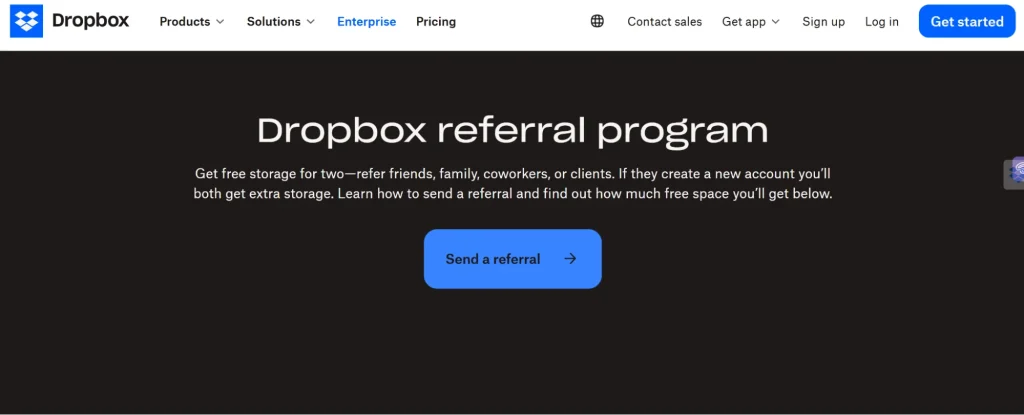
Dropbox, the cloud storage and collaboration platform, launched a referral program that asked users to invite friends and family, giving both the referrer and the referee extra free storage.
As a result, the user base grew from 100,000 to 4 million in just 15 months, a staggering 3900% increase.
Calendly: Referral-Led Growth
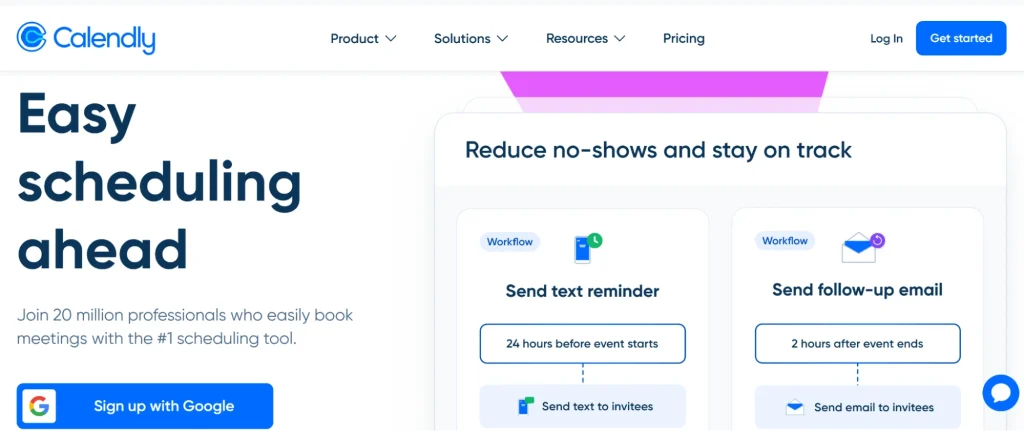
Calendly, an automated scheduling tool, leveraged a built-in referral loop to expand its user base. Whenever a user scheduled a meeting and sent an invite, they introduced the tool to their invitees, who saw it as a recommendation.
Combining this approach with a freemium model scaled its users.
Kit: Conted Led Growth
Kit (formerly ConvertKit, an email marketing platform) used content marketing and SEO to drive organic traffic, build trust and credibility, and position Kit as an authority.
They also implemented influencer partnerships and hosted events, which helped the tool grow from $2,480/month to $5k/month in 6 months.
Tips to Decrease CAC While Maintaining Quality Leads
Businesses must optimize the customer acquisition process by applying tactics that maximize the customer lifetime value (CLV), minimize marketing costs, and result in a higher ROI.
Here are some tips to minimize the CAC:
Refine the Target Audience
Businesses must define an ideal customer profile (ICP), segment prospects, and implement tailored marketing that aligns with customer needs and pain points.
By targeting the right prospects, businesses can lower the CAC.
Optimize the Website
The overall user experience (UX) is a massive factor in the acquisition efforts.
Therefore, enhance the page load speed, craft persuasive CTAs, and ensure the website is mobile responsive. Perform A/B tests on the landing page to perfect product messaging and design.
Prioritize Retention Efforts
Implement retention tactics, such as boosting the value of the offerings and using predictive customer acquisition analytics to personalize product recommendations.
Ensure the messaging keeps the existing customers engaged and loyal.
Automate the Processes
Investing in tools (like the ones discussed above) to support sales and marketing acquisition processes can reduce the CAC.
Use tools to avoid repetitive tasks, engage leads with automatic drip campaigns, and build a loyal customer base by providing consistent, valuable content.
Leverage Data
Thoroughly analyze the customer acquisition metrics to pick the most cost-effective channels that provide long-lasting outcomes.
The analytics can also help brands enhance the CLV by retargeting interested prospects at every stage of the funnel.
Common Mistakes to Avoid When Creating a Customer Acquisition Plan
When creating a SaaS customer acquisition strategy, there are certain common pitfalls that can undermine acquisition efforts:
- Failing to Define the Target Audience Clearly: Failing to narrow marketing efforts to a specific audience means trying to appeal to everyone. This results in poor engagement and low conversion rates because the solution and messaging are not tailored to the target audience.
- Failing to Map the Customer Journey: Specific stages drive customer acquisition, and an effective acquisition plan must document all touchpoints from initial awareness through purchase.
- Ignoring Customer Acquisition Costs (CAC): Capturing B2B customer acquisition costs helps measure return on investment for specific channels, enabling proper budget allocation.
- Not defining the Acquisition Channels: A plan must include platforms that deserve investment, based on the business’s ICP and budget.
- Failing to Set Execution Timelines: To measure campaign impact and ensure goals are achieved, deadlines are critical.
- Neglecting Metrics to Track Success: It’s impossible to optimize what can’t be measured. Including measurable objectives in the plan makes it easier to identify high-performing channels and make data-driven decisions.

Frequently Asked Questions (FAQs)
Below are answers to some common questions about lead generation methodology:
What are the 4 L’s of a Lead Generation Strategy?
A lead generation strategy has four main pillars, commonly known as the 4 L’s:
- Lead magnet
- Lead capture
- Landing pages
- Lead scoring
Is Customer Acquisition the Same as Lead Generation?
No. Lead generation is about capturing the attention of people interested in a product or a service.
Conversely, customer acquisition involves nurturing the leads and converting them into paying customers.
What Are the Key Metrics for Lead Generation Success?
Businesses can analyze the success of their lead generation campaigns by tracking metrics such as cost per lead, lead conversion rate, lead churn rate, total lead value, lead quality, and response time.
What is the Role of Content Creation in Driving Leads?
High-quality content that speaks to the target audience helps businesses attract leads. The content also nurtures prospects to become loyal clients, builds trust, and increases brand awareness, generating new leads.
We can work together to craft compelling and consistent messaging across all your marketing channels, helping you attract more leads.
How Long Does Customer Acquisition Take for a Small Business?
The customer acquisition period varies based on the selected channels and marketing strategies. Some channels and tactics take longer to build trust, while others begin to gain traction within a few months.
For instance, SEO typically takes 6 to 12 months, while paid ads can start generating customers within weeks.
What Is A Good Customer Acquisition Cost for Small Businesses?
A good customer acquisition cost for a small business should maintain a CLV-to-CAC ratio of 3:1.
That means the customer lifetime value for a healthy small business should be three times the acquisition cost.
Is Customer Acquisition Different for B2B and B2C Small Businesses?
Yes, B2B acquisitions are influenced by multiple decision-makers.
Therefore, they tend to have longer sales cycles. B2C acquisitions involve fewer decision-makers and lower financial risks, hence a shorter sales cycle.
Conclusion
While small businesses are constantly looking for strategies to find quality leads and drive growth, their efforts might yield results faster by partnering with a lead generation expert.
With over two decades of marketing experience, I can help you craft a winning lead-generation strategy. We’ll create a clear value proposition that differentiates your brand and develop personalized messaging that nurtures your leads to become paying, loyal customers.
Schedule a call today to maximize your marketing efforts and drive more revenue.