

Research shows that 3 out of 4 consumers will spend more with brands that provide a good customer experience. In fact, over half of consumers find excellent customer service more important than product price.
These stats show customers expect more, and companies should monitor their customer experience (CX) to become competitive and meet their clients’ expectations.
This article explores the steps for measuring customer experience, the key CX metrics, and the top tools for collecting CX data. It also highlights the best practices to keep in mind and the challenges brands encounter when measuring CX.
TL;DR – How to Measure Customer Experience
Here are the 4 steps to measure customer experience:
- Map the customer journey
- Track customer service KPIs
- Assess customer sentiments
- Audit the messaging
More on each of these steps later in the blog.

What Does it Mean to Measure Customer Experience?
Customer experience (CX) refers to the collective experience that a customer has with a brand.
The CX is impacted by factors like:
- Efficiency of product messaging
- Quality of products and services
- Efficiency of customer service
- Ease of interaction
Measuring CX usually involves leveraging customer experience tools that provide comprehensive customer insights.
These tools help monitor how customers feel about the brand by tracking the factors mentioned above and monitoring key CX metrics.

Customer Experience Metrics to Track
The essential customer experience KPIs to get accurate insights into customer perception and experience include:
Customer Satisfaction Score
The customer satisfaction score (CSAT) helps brands gauge customer sentiment. It provides real-time feedback on whether the CX is successful or failing to meet customer expectations.
Though numbers vary by industry, brands should aim for a CSAT score of 75-85%.
The CSAT formula is:
- Customer Satisfaction = Number of happy customers ÷ Total number of respondents
Net Promoter Score
Net Promoter Score (NPS) surveys assess how likely people are to recommend a brand to others on a scale of 0 to 10. It provides quick insights into customer perception and behavior.
Customers who give a brand a score of 9 to 10 are promoters. Those who answer 7 to 8 are passives, and those who respond 0 to 6 are detractors.
The NPS formula is:
- Net Promoter Score = Percentage of promoters – Percentage of detractors
Customer Churn Rate
Customer churn rate is the number of customers who exit a business within a specific period. The ideal churn rate for mature, established businesses is 5-7%.
A lower churn rate indicates that very few customers are exiting a business, while a high churn rate is an alarm signals that show a business isn’t working.
Here’s the formula:
- Customer Churn Rate = (Customers lost ÷ Beginning number of customers) x 100
Customer Retention
High customer retention is a critical indicator of whether customers are enjoying their experience with a brand. The average retention rate varies by industry, company size, and business tenure.
For example, the average customer retention rate is 35% for SaaS companies, while it is 4% for Edtech.
- Customer Retention Rate = ((End Period Customers – New Customers) ÷ Start Period Customers) x 100
Conversion Rate
A high conversion rate indicates that leads are converting and shows a strong return on investment (ROI).
Ideal conversion rates vary by business and industry.
For example, a website conversion rate of 2-5% is considered good across all industries. For SaaS companies, a free-trial-to-paid user conversion rate of 18.6-29% is a healthy range.
- Conversion Rate = Free trial customers who converted ÷ Total number of free trial customers

How to Measure Customer Experience
An accurate understanding of the customer experience allows a brand to create effective strategies and meet its customers’ needs.
These are the 4 steps for measuring the CX:
1. Map the Customer Journey
A customer experience map should detail the first touchpoint through post-sales and customer support.
Brands should also identify friction points across all touchpoints, both online and offline, to measure CX at each stage.
2. Track Customer Service KPIs
Tracking and analyzing KPIs helps businesses understand the impact of their customer experience, including NPS, churn rate, and customer satisfaction score.
The process also involves gathering direct customer feedback from surveys, such as CSAT and NPS, to determine whether the brand’s processes, products, and services meet customer needs.
3. Assess Customer Sentiments
Maximizing satisfaction also involves analyzing customer sentiment at every level, whether it’s support interactions, social media mentions, or online reviews.
Brands can use these insights to assess current satisfaction, identify gaps in the offering, and gauge overall brand perception.
4. Audit the Messaging
There’s also a need to evaluate the messaging architecture to see how customers respond to key messages at every touchpoint.
Consistent, valuable, and personalized messaging reinforces the customer experience.
As a messaging strategist, I can help you to audit your existing messaging strategy to spot gaps and inconsistencies. Together, we can create compelling and consistent messaging across all channels.
Connect with me today to unlock the full value of your messaging and build an impactful customer experience.
CX Measurement Framework Across the Customer Journey
Exceptional customer experience is built with intention.
Here is a CX measurement framework across the critical stages of the customer journey:
- Onboarding: Determines how easy it is for users to get started and adopt the product. The customer onboarding success rate helps gauge the efficiency of the process.
- Activation: Measures how users actively use SaaS products and whether they find them intuitive to use. Here, the metrics should be Customer Effort Score (CES) and feature adoption rates.
- Retention: At this stage, a brand should evaluate the ongoing experience with the product and customer satisfaction. Metrics such as churn rate and Net Promoter Score (NPS) help understand how well the product meets customer needs.
- Support: A brand should monitor the pain points in customer support interactions. The metrics should be Customer Effort Score (CES), First response time, and resolution time.
- Renewal and Advocacy: Understands whether customers renew and become advocates. Relevant metrics include the renewal rate, the Net Promoter Score (NPS), and referral rate.

Customer Experience Measurement Tools
The right customer experience tools can help a brand to gain comprehensive CX data, map customer behavior, and make informed decisions quickly.
Here are the top 3 CX tools:
1. Hootsuite

Hootsuite is a social media management suite that brands use for social listening, tracking engagement, and gathering customer feedback.
Here are the features that help measure CX:
- Offers AI-powered tools to monitor brand mentions and customer perception.
- Compares a brand’s engagement and reputation against the competitors.
- Creates custom CSAT surveys after resolving a customer’s issues.
Pricing: Plans start at $249 per month, per user.
2. Zendesk

Zendesk is an all-in-one CX management suite with robust analytics capabilities and built-in survey capabilities.
It helps brands to:
- Use the tool to send CSAT, NPS, average resolution time (ART), and customer effort score (CES) surveys.
- Monitor the ticket volume, the reopen rates, and trends in customer issues
Pricing: Packages range from $25 to $219 per agent per month.
3. Salesforce
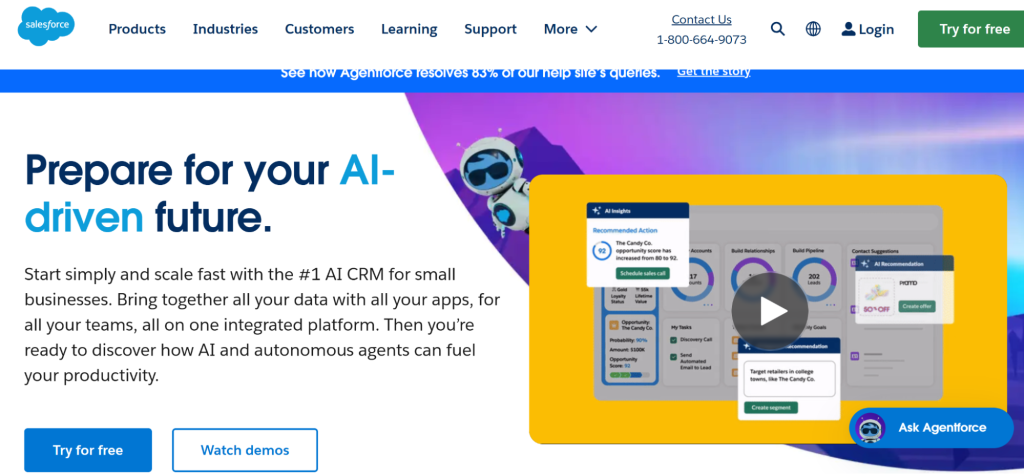
Salesforce is a cloud-based CRM that stores all customer data in one hub. This makes it convenient for analyzing and managing customer information.
Here’s how brands use it to measure CX:
- Create automated CSAT, NPS, and CES surveys after a customer interacts with support.
- Get a consolidated view of customers’ interactions, whether they’re on the phone, by email, or on social media.
- Use AI to analyze the sentiments in customer interactions.
Pricing: Available on request.
Best Practices for Accurate CX Measurement
The accuracy of CX measurement is not defined by the tools in place, but rather by the system’s design.
Here are the best practices to consider:
For example, if the goal is to improve customer retention, the focus is on NPS and the churn rate. |
|
Also, assesses the impact of CX initiatives and identifies what is working. |
|
For example, after a critical interaction, such as an onboarding or support call. |
Top Challenges in Customer Experience Measurement
Most brands understand the value of measuring their CX.
However, they may still face challenges such as:
- Presence of Data Silos: CX data is captured in separate systems within the company. For example, a CRM system, a support system, social media analytics, and a survey tool. If data from these systems is not integrated, a brand might not have the full view of the customer experience.
- Creating Actionable Insights: Many companies excel at collecting the data, but struggle to turn it into actionable insights. Without proper data analysis, they may fail to make decisions, improvements, and measurable outcomes.
- Accountability in the CX Measurement Program: There might not be context to support the CX scores, the data might not be shared with the right team, or it might not be acted on because no one is responsible for it.
- Dependence on Specific Metrics: A single KPI, such as conversion rate or churn rate, cannot capture the full complexity of the CX and lead to misguided decisions.

Frequently Asked Questions (FAQs)
Learn more with these FAQs about measuring your CX:
How Can Social Media Listening Help in Measuring Customer Experience?
Social media listening helps gauge customer sentiment by tracking brand mentions and analyzing the contexts in which they occur.
For example, a SaaS brand can monitor negative comments on X about a feature update and use the insights to create tutorial videos and provide onboarding guidance.
What is the Importance of Real-Time Data in Measuring Customer Experience?
Real-time customer data and analytics enable a brand to understand and respond to customer feedback and behavior as they occur.
This helps prevent churn and improve customer satisfaction by fixing issues as customers encounter them.
How Can Qualitative Methods be Used to Measure Customer Experience?
Qualitative methods, such as in-depth interviews, can help a brand gain a more robust understanding of customer behavior, expectations, and perceptions.
For example, a brand can use usability testing to observe how users use a SaaS tool to complete tasks and gather insights into customer satisfaction.
How Can I Choose the Right Customer Experience Measurement Platform for My Business?
The first step to choosing the right CX measurement platform is identifying the metrics that align with the business’s goals.
Brands should choose a scalable platform that integrates perfectly with the business’s existing tools and systems.
Conclusion
Brands can get a holistic view of their customer experience by following the right steps and leveraging CX tools.
They can then use the insights to create a data-driven experience that results in happier customers, lower customer acquisition costs (CAC), and higher revenue.
Before measuring the CX, it is essential to create personalized messaging that directly enhances the customer experience.
I’m a messaging expert, and I can help you refine your messaging strategy to ensure your brand messages connect with customers at every touchpoint.
Schedule a discovery call with me today and let’s create messaging that drives engagement and fosters a positive customer experience.